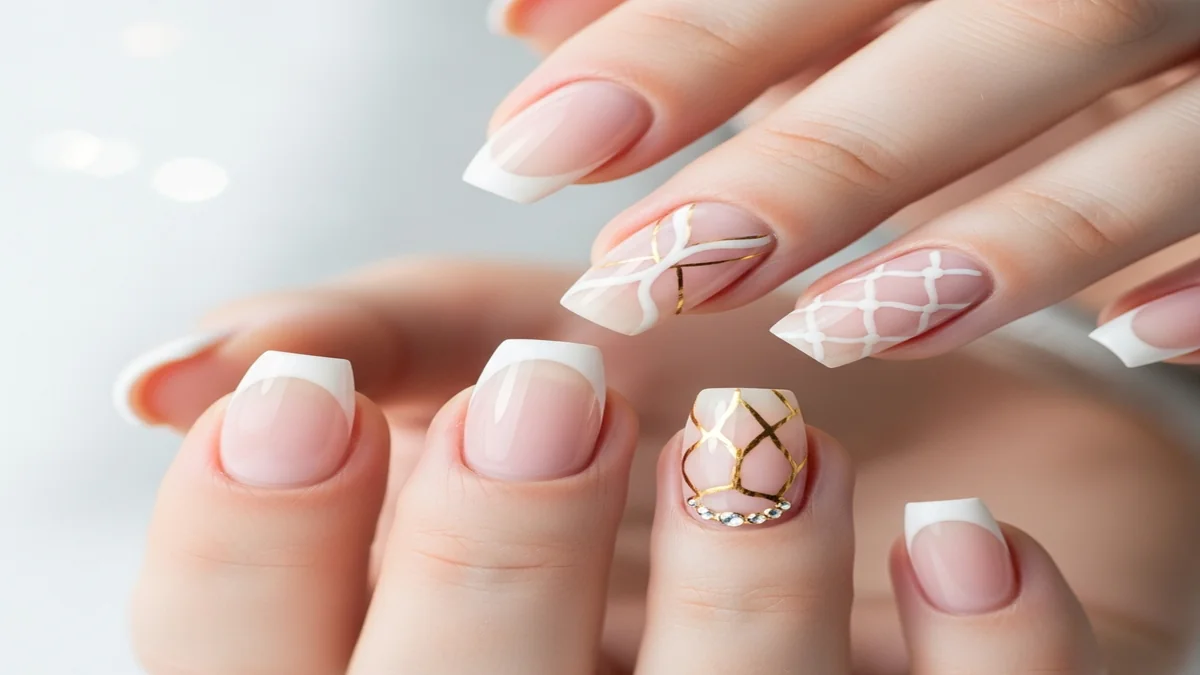
Dip Powder vs Gel Nails: Which One Is Actually Better?
Every time I sit down in a nail salon, the same question comes up: dip or gel? And every time, the answer I get depends on who I am asking. The nail tech who specializes in dip says dip is better. The one who does gel all day says gel. The internet is not much help either — most articles are either sponsored by a gel brand or clearly written by someone who has never actually had both done.
So let me give you the straight answer, based on having gotten both regularly for years and having talked to more nail professionals about this than is probably healthy.
The short version: Neither is universally better. Dip powder lasts longer and is stronger. Gel looks more natural and offers more creative options. Your choice depends on what matters most to you — durability, appearance, nail health, or versatility.
Now here is the longer, more useful version.
What Gel Nails Actually Are
Gel nails use a special polish formula that stays liquid until you cure it under an LED or UV lamp. The light triggers a chemical reaction that hardens the polish into a durable, glossy coating. Each layer — base coat, color (usually two coats), and top coat — gets cured separately.
The whole process takes about forty-five minutes to an hour at a salon. When it is done, your nails look like a flawless version of regular nail polish. Smooth, glossy, and completely dry the moment you leave the chair.
What makes gel special is the finish. It is thin — thin enough to look natural, as if you just have incredibly good nails. The shine has a depth to it that regular polish cannot quite replicate. And it resists chipping for two to three weeks, which is about two weeks longer than traditional polish manages.
What Dip Powder Actually Is
Dip powder works on a completely different principle. Instead of curing under a light, it uses a bonding liquid brushed onto the nail followed by dipping the finger into a jar of finely milled colored powder. You dip two or three times to build up coverage and strength, then the powder is sealed with an activator liquid and topped with a clear coat.
No lamp involved. The activator hardens the powder chemically rather than with light.
The result is a thicker, harder coating that feels more like a thin acrylic than like polish. Application takes forty-five minutes to over an hour depending on how much filing and shaping is needed — the surface has to be buffed smooth after dipping, which adds time.
The Real Comparison: Category by Category
How Long They Last
This is the question I hear most — and the answer is clear.
Dip powder lasts longer. A good dip manicure holds up for three to four weeks with minimal chipping. I have personally pushed dip to the four-week mark without issues — the only reason to replace it is nail growth at the cuticle.
Gel lasts two to three weeks. Most people start seeing tip wear or minor chips around the two-week mark. Some gel formulas are better than others, and lifestyle matters (someone who works with their hands all day will see chips faster), but on average gel does not match dip for durability.
The reason is physics. Dip powder creates a thicker, harder layer over the nail. Gel creates a thinner, more flexible one. Thickness and hardness resist impact better. It is as simple as that.
How They Look
This is where gel takes the lead.
Gel nails look more natural. The coating is thin enough that your nails look like nails, not like they are wearing armor. The finish is smooth and glossy with a depth of shine that catches light beautifully. If you want your nails to look like a polished, perfected version of themselves, gel is the answer.
Dip nails look good — do not get me wrong — but they are noticeably thicker. On very short nails, the thickness can look slightly bulky. On longer nails, it is less noticeable. The finish is glossy but does not have quite the same wet-look depth that gel achieves.
Where gel really pulls ahead is in variety. Chrome finishes, cat-eye magnetic effects, detailed nail art, ombre, glazed donut nails, 3D designs — gel handles all of these. Dip powder is more limited. It works well for solid colors, glitter, and basic ombre, but it cannot replicate the specialty finishes that make gel so versatile.
If you like trying the latest nail trends, gel is the obvious choice.
Nail Health
Neither one is good for your nails. Let me be honest about that upfront. Both involve chemicals applied to the nail plate, both require some degree of surface prep that thins the nail, and both use acetone for removal which is drying.
That said, there are differences.
Gel's concern is the UV lamp. While modern LED lamps emit minimal UV and the exposure per session is tiny, cumulative exposure over years of regular gel manicures is a question mark. If this worries you, apply a broad-spectrum SPF to your hands before your appointment or wear UV-blocking fingerless gloves. Some salons offer them.
Dip's concern is the powder pot. When multiple clients dip their fingers into the same jar of powder, there is a real risk of bacterial transfer. Good salons address this by pouring fresh powder for each client rather than using communal dipping. Ask your salon about their hygiene protocol — it matters.
The biggest nail health factor for both is removal. Peeling off gel or dip — which is tempting when it starts lifting — rips off layers of your actual nail plate. This is how people end up with thin, weak, damaged nails. Always, always soak off properly. For more on keeping nails healthy between manicures, our nail health guide covers what to do during breaks.
For building nail strength back up after extended gel or dip wear, see our nail strengthening routine.
Removal
Both require soaking in acetone, but the experience is not identical.
Gel removal takes about ten to fifteen minutes of acetone soaking. The polish softens and can be gently scraped away. Some formulas are easier to remove than others — soak-off gel was specifically designed for this. Most salons use foil wraps or silicone clips to hold acetone-soaked cotton pads on each nail.
Dip powder removal takes fifteen to twenty minutes and sometimes requires filing the surface first to break the seal before the acetone can penetrate. The thicker coating that makes dip more durable also makes it more resistant to removal. It dissolves eventually, but it takes patience.
Gel has the edge here. Faster, less filing, slightly less aggression on the nail. But neither is a quick process.
Cost
Prices vary by city and salon, but here is the general range:
Gel manicure: $35 to $65. Gel extensions with tips or forms run $65 to $100 or more.
Dip powder manicure: $40 to $70. Generally $5 to $10 more than a basic gel manicure at the same salon.
Gel is slightly cheaper per visit. But since dip lasts about a week longer, you visit the salon less frequently, which narrows the gap. Over a year of regular manicures, the total cost is roughly similar.
DIY at Home
Both have at-home kit options, but the experience differs.
Gel at home requires buying a UV or LED lamp ($20 to $40 for a decent one) plus gel polish. The application is similar to regular nail polish — brush it on, cure it, repeat. Most people can get decent results on their first try. The main investment is the lamp.
Dip at home does not need a lamp, which is a real advantage. But the dipping process is messier than painting, and the filing and shaping step afterward takes practice to get smooth. At-home dip kits run $20 to $40 and produce good results once you have the technique down.
For beginners, gel is more forgiving. For people who do not want a lamp cluttering their bathroom, dip is more practical.
What About Acrylics?
Since this always comes up: acrylic nails are a third category entirely. They use a liquid monomer and powder polymer that hardens when exposed to air, creating the strongest possible nail coating. Acrylics are the best option for dramatic length extensions and maximum durability, but they have a stronger chemical smell, can look less natural, and the removal process is more intensive.
Quick ranking by category:
- Strength: Acrylic, then dip, then gel
- Natural appearance: Gel, then dip, then acrylic
- Trend versatility: Gel, then acrylic, then dip
- Ease of removal: Gel, then dip, then acrylic
So Which Should You Choose?
After all the nuance, here is the decision framework I use:
Choose gel if: You care most about how your nails look. You want a thin, natural-looking finish. You like trying trendy nail designs. You do your nails at home and want a simpler process. Your nails are healthy and do not need structural support.
Choose dip powder if: You need your manicure to survive a physically active lifestyle. You want maximum chip resistance. Your nails are weak or brittle and benefit from the reinforcing thickness. You want to avoid UV lamp exposure. You go three to four weeks between salon visits.
Consider the hybrid (dip base with gel top coat) if: You want dip's durability with gel's finish quality. You do not mind paying more and spending longer in the chair.
Consider press-on nails if: You want the look without any of the nail damage. Modern press-ons have come a remarkably long way.
A Few Final Practical Notes
Whatever you choose, a few things make a real difference in the long run:
Take breaks. One to two weeks off every two to three months. Use that time to apply cuticle oil daily and let your nails breathe.
Never peel. I know I said this already. I am saying it again because it is the single most important thing for nail health. Never peel off gel or dip.
Find a good salon. The quality of your nail tech matters more than whether you choose gel or dip. A skilled technician with proper hygiene protocols makes either option safe and beautiful. A careless one makes either one damaging.
Match your nail shape to the service. Some nail shapes hold up better with dip (coffin, stiletto — anything that needs structural strength), while others look better in gel (almond nails, round — shapes that benefit from a thinner profile).
Choose colors for your skin tone. The perfect color makes a bigger difference than you might expect. Our spring nail colors by skin tone guide matches shades to your coloring.
At the end of the day, both gel and dip are excellent options that give you weeks of chip-free, salon-quality nails. The "best" one is whichever one matches your priorities and your lifestyle. And honestly? There is nothing wrong with alternating between them. I do.
Frequently Asked Questions
What lasts longer, dip powder or gel nails?▼
Dip powder typically lasts three to four weeks before noticeable growth or chipping. Gel lasts two to three weeks. The difference comes down to thickness and hardness — dip powder creates a thicker, harder shell over the nail that resists daily wear better. If longevity is your top priority, dip wins.
Is dip powder or gel better for your nails?▼
Neither is great for nail health in the long run, but dip powder has a slight edge because it does not require UV light curing. The bigger health factor for both is removal — peeling off either type causes real damage. Professional removal with proper acetone soaking is what keeps your nails healthy regardless of which you choose.
Is dip powder more expensive than gel?▼
Dip powder manicures typically cost 40 to 70 dollars at a salon, while gel runs 35 to 65 dollars. Dip is usually five to ten dollars more per visit. However, since dip lasts a week or so longer, the cost per wear can actually be similar. Prices vary significantly by location.
Which is easier to remove, dip or gel?▼
Gel is slightly easier. Both require acetone soaking, but gel usually dissolves in ten to fifteen minutes while dip powder can take fifteen to twenty. Dip sometimes needs extra filing before the soak to break the seal. Either way, never peel — always soak.
Can I do dip powder nails at home?▼
Yes, and many people find dip easier to DIY than gel because you do not need a UV lamp. Home dip kits cost 20 to 40 dollars and the process is straightforward. The learning curve is mainly in the filing and shaping step. Gel at-home kits require a lamp but produce more consistent results for beginners.
Do dip nails look thicker than gel?▼
Yes, dip nails are noticeably thicker because the powder builds up layers. Gel sits closer to the natural nail and looks thinner and more natural. If you want your nails to look like a polished version of your natural nails, gel gives a more refined finish. If you want more structure and strength, the thickness of dip is actually a benefit.
Can I get nail art with dip powder?▼
You can, but gel is significantly better for detailed nail art, chrome finishes, cat-eye effects, and ombre designs. Dip powder works well for solid colors, glitter, and simple ombre but struggles with the fine detail work and specialty finishes that gel handles easily.
Which is better for weak or brittle nails?▼
Dip powder. The thicker coating acts as a protective shell that adds structure and prevents breakage. People with nails that peel or snap easily often find dip powder helps their nails grow longer underneath the coating. Gel provides some protection too, but it is thinner and less reinforcing.
How often should I take a break from dip or gel nails?▼
Most nail professionals recommend a one to two week break every two to three months. During the break, use cuticle oil daily and a nail strengthener to help your natural nails recover. Both dip and gel can thin the nail plate over time, so regular breaks prevent cumulative damage.
What about dip powder hygiene concerns?▼
The shared dip powder pot is a legitimate concern. When multiple clients dip their fingers into the same jar, bacteria can transfer between people. Reputable salons address this by pouring fresh powder for each client or using a brush-on application instead of communal dipping. If you are doing dip at home, this is not an issue since it is your personal jar.
Is there a hybrid dip and gel option?▼
Yes. Some salons apply dip powder for strength and structure, then finish with a gel top coat for the smooth, glossy shine gel is known for. It gives you the durability of dip with the finish quality of gel. The downside is that it costs more, takes longer, and removal is more involved.
Get Your Free AI Skin Analysis
Upload a selfie and get personalized skincare recommendations powered by AI.
Join 10,000+ beauty enthusiasts. Unsubscribe anytime.
Was this article helpful?
Continue Your Beauty Journey
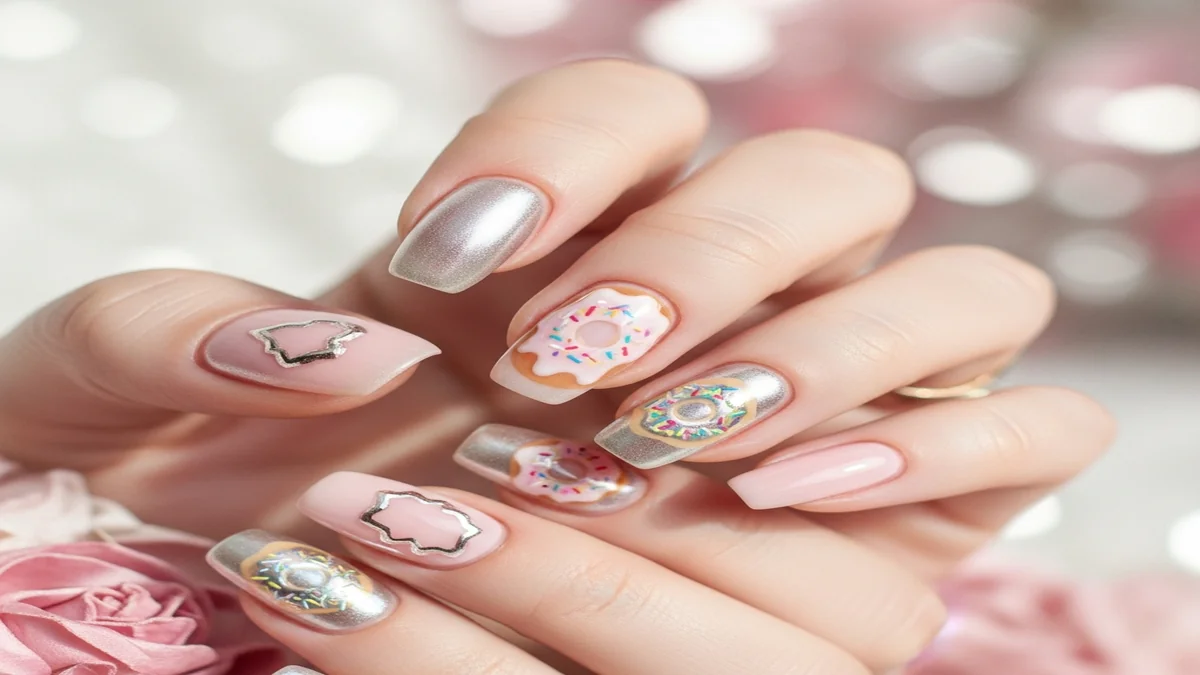
Glazed Donut Nails: Chrome Technique Guide + How-To (2026)
Glazed donut nails — get the viral chrome look at home with our step-by-step technique guide. Products and tips included.

Nail Shape Guide 2026: Find the Best Shape for Your Hands
Nail shape guide — find the best shape for your hands and lifestyle. From almond to coffin, compare all options for 2026.

Nail Health Guide: What Your Nails Are Telling You About Your Body
Nail health guide — what ridges, discoloration, and brittleness reveal about your body. Decode your nails with expert tips.